



OFFICIAL PUBLICATION OF THE NEW JERSEY COALITION OF AUTOMOTIVE RETAILERS

2026. Pub. 25 Issue 3

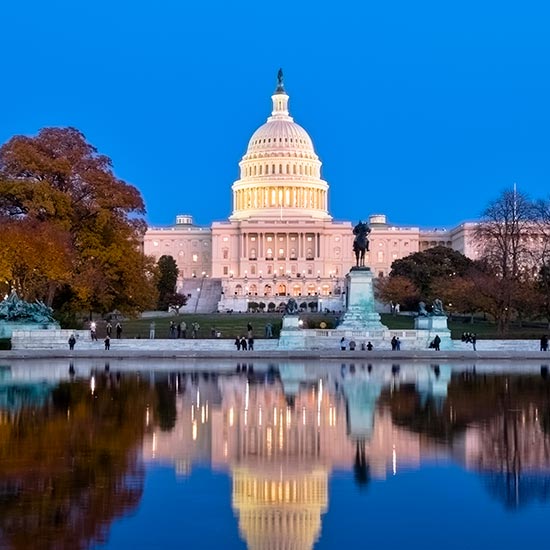
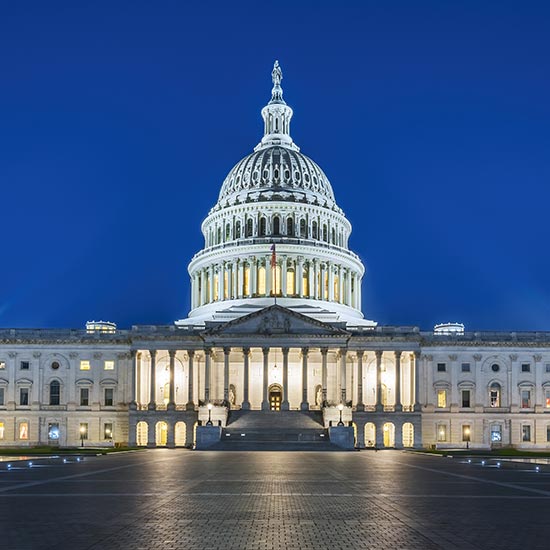
capital building

NADA Director’s Message: NADA Advocacy Update

NADA continues to advocate aggressively on issues critical to the automotive retail industry. This article covers the latest updates on these issues. Please contact me with any questions at rdesilva@libertycarsnj.com.

So-Called “Right to Repair” Legislation

Earlier this year, the House Energy and Commerce Committee passed the Motor Vehicle Modernization Act, including the “REPAIR Act” (H.R. 1566). The entire bill was stripped down to three provisions that NADA supported: codifying the 2014 light-duty and 2015 heavy-duty truck Memorandums of Understanding, and an FTC study on this issue, due in 2030.

Thanks to NADA’s grassroots advocacy, the committee withdrew its problematic draft of the “REPAIR Act” and replaced it with a significantly scaled-back version. The bill preserves the current repair system without introducing new liabilities on dealers, opening warranty and recall work to third parties, or threatening state franchise law. NADA anticipates “right to repair” supporters will try to restore the dropped language when the bill moves to the House floor.

Chinese OEMs’ Entry Into the U.S. Auto Market

On May 28, NADA and other auto industry groups met with high-ranking officials in the National Security Council to advocate for maintaining barriers to the entry of Chinese OEMs into the U.S. market.

In mid-May, Reps. John Moolenaar (R-Mich.) and Debbie Dingell (D-Mich.) introduced the “Connected Vehicle Act” (H.R. 8730) as the House companion to the Senate version (S. 4429) introduced in April by Sens. Bernie Moreno (R-Ohio) and Elissa Slotkin (D-Mich.). The bill would prohibit the import, sale, and operation of vehicles manufactured in China or any other country of concern and ban the use of Chinese-developed connected-vehicle technologies — such as software and data systems — on American roads.

NADA is monitoring the potential for Chinese automakers to enter the U.S. market and the need for appropriate government barriers due to concerns about unfair competition, consumer privacy, and national security. NADA has sent letters to the Trump administration, urging them to take decisive action to prevent their entry into the U.S.

NADA also supports the policy behind the “Connected Vehicle Security Act of 2026”, and is working with sponsors to define the legislation’s scope.

Catalytic Converter Anti-Theft Legislation

Supported by NADA, the bipartisan “PART Act” (H.R. 5221) was not included in the “Motor Vehicle Modernization Act”, which passed the House Energy and Commerce Committee on May 21. Despite broad bipartisan support, the “PART Act” was dropped from the markup due to unrelated legislative debates within the House Energy and Commerce Committee. NADA continues to advocate for passage of the “PART Act”, either as a stand-alone bill or as a floor amendment to the Surface Transportation Reauthorization bill.

USMCA

NADA recently signed a letter to U.S. Trade Representative Jamieson Greer, urging the government to renew the United States-Mexico-Canada Agreement (USMCA). NADA joined a coalition of industry associations and organizations expressing support for the extension of the USMCA. The coalition asserted that the free trade deal is crucial for U.S. vehicle production to remain competitive with Asia and Europe.

The USMCA is undergoing its first six-year review, which requires each of the three countries to confirm whether they wish to renew the pact. It also explains that U.S. production and supply chains are built on trillions of dollars in long-term investment, refined over years to efficiently comply with the USMCA’s rigorous framework.

In July 2026, the three countries will hold a joint review to assess the agreement’s performance and determine its future. If all parties agree to renewal, the agreement will remain in force for another six years, with a review in 2032. The agreement could enter an annual review period if renewal is delayed or denied. It’s also possible that one or more countries could withdraw, opening the door to a return to bilateral arrangements.

FTC Advertising Guidance

NADA is continuing to engage with the Federal Trade Commission (FTC) to provide education and guidance on dealer advertising. The FTC has stated that price transparency across all industries, including auto sales, is a priority of the Trump administration and plans to issue FAQs soon to address dealer questions regarding advertising practices.

EPA Repeal of Biden-Era GHG Standards

Despite legal challenges, the final rule repealing the unworkable Biden-era greenhouse gas standards took effect on April 20. After the final rule was announced, NADA and ATD released a statement emphasizing that the new rule would help make vehicles more affordable; expand consumer choice; and increase ownership of newer, safer, cleaner cars and trucks.

There are two sets of standards that regulate fuel economy: the EPA’s GHG standards (revoked in March) and NHTSA’s CAFE standards (still in place). Currently, NHTSA is revising its CAFE standards. NADA supports lowering CAFE standards to a level the market can bear.

Sony Honda/Afeela

Regarding Sony Honda Mobility (SHM)’s attempts to circumvent franchise laws to sell their Afeela brand:

  1. SHM has announced it was canceling the development and North American launch of its first two EVs — the Afeela 1 and an SUV variant — and it would scale back operations.
  2. A Los Angeles court overruled SHM’s motion to dismiss the lawsuit filed by the California New Car Dealers Association (CNCDA), accusing SHM of violating state franchise laws.

In August 2025, CNCDA sued American Honda Motor Co., Sony Honda Mobility, Inc., and Sony Honda Mobility of America, Inc. for violating California franchise laws by competing directly against their Honda and Acura franchisees with the Afeela brand. The recent court ruling allows the lawsuit to proceed.

It is unclear how the cancellation of SHM’s vehicle launch will affect the CNCDA lawsuit. The cancellations are part of a broader cooling in the EV market and may signal deeper strain in the partnership.

Volkswagen/Scout

Regarding Volkswagen/Scout lawsuits:

  1. A federal court denied Volkswagen/Scout’s motion to dismiss the CNCDA lawsuit alleging illegal competition.
  2. Two dealers filed a class-action lawsuit against Scout Motors, Scout Motors Sales, LLC, Volkswagen Group of America, and Volkswagen AG in Virginia.

By allowing the CNCDA case to move forward, the court’s decision strongly supports the franchise dealers’ position that Volkswagen/Scout is unlawfully competing with its own dealers, and depriving customers of the competitive benefits of the franchise system.

As a class-action lawsuit, the filing in Virginia automatically covers every Volkswagen dealer in the U.S. This lawsuit alleges contract violations in contrast with other lawsuits against Volkswagen/Scout, based on alleged franchise law violations. Neither NADA nor the Virginia Automobile Dealers Association (VADA) is involved with the class-action suit.

NADA opposes Scout’s efforts to circumvent state franchise laws and will continue to work with ATAEs, as well as state and metro dealer associations to determine the best path forward to enforce the law, standing behind Volkswagen and Audi dealers.


capital building

NADA Director’s Message: NADA Advocacy Update

capital building

NADA Director’s Message: NADA Advocacy Update

NADA continues to advocate aggressively on issues critical to the automotive retail industry. This article covers the latest updates on these issues. Please contact me with any questions at rdesilva@libertycarsnj.com.

So-Called “Right to Repair” Legislation

Earlier this year, the House Energy and Commerce Committee passed the Motor Vehicle Modernization Act, including the “REPAIR Act” (H.R. 1566). The entire bill was stripped down to three provisions that NADA supported: codifying the 2014 light-duty and 2015 heavy-duty truck Memorandums of Understanding, and an FTC study on this issue, due in 2030.

Thanks to NADA’s grassroots advocacy, the committee withdrew its problematic draft of the “REPAIR Act” and replaced it with a significantly scaled-back version. The bill preserves the current repair system without introducing new liabilities on dealers, opening warranty and recall work to third parties, or threatening state franchise law. NADA anticipates “right to repair” supporters will try to restore the dropped language when the bill moves to the House floor.

Chinese OEMs’ Entry Into the U.S. Auto Market

On May 28, NADA and other auto industry groups met with high-ranking officials in the National Security Council to advocate for maintaining barriers to the entry of Chinese OEMs into the U.S. market.

In mid-May, Reps. John Moolenaar (R-Mich.) and Debbie Dingell (D-Mich.) introduced the “Connected Vehicle Act” (H.R. 8730) as the House companion to the Senate version (S. 4429) introduced in April by Sens. Bernie Moreno (R-Ohio) and Elissa Slotkin (D-Mich.). The bill would prohibit the import, sale, and operation of vehicles manufactured in China or any other country of concern and ban the use of Chinese-developed connected-vehicle technologies — such as software and data systems — on American roads.

NADA is monitoring the potential for Chinese automakers to enter the U.S. market and the need for appropriate government barriers due to concerns about unfair competition, consumer privacy, and national security. NADA has sent letters to the Trump administration, urging them to take decisive action to prevent their entry into the U.S.

NADA also supports the policy behind the “Connected Vehicle Security Act of 2026”, and is working with sponsors to define the legislation’s scope.

Catalytic Converter Anti-Theft Legislation

Supported by NADA, the bipartisan “PART Act” (H.R. 5221) was not included in the “Motor Vehicle Modernization Act”, which passed the House Energy and Commerce Committee on May 21. Despite broad bipartisan support, the “PART Act” was dropped from the markup due to unrelated legislative debates within the House Energy and Commerce Committee. NADA continues to advocate for passage of the “PART Act”, either as a stand-alone bill or as a floor amendment to the Surface Transportation Reauthorization bill.

USMCA

NADA recently signed a letter to U.S. Trade Representative Jamieson Greer, urging the government to renew the United States-Mexico-Canada Agreement (USMCA). NADA joined a coalition of industry associations and organizations expressing support for the extension of the USMCA. The coalition asserted that the free trade deal is crucial for U.S. vehicle production to remain competitive with Asia and Europe.

The USMCA is undergoing its first six-year review, which requires each of the three countries to confirm whether they wish to renew the pact. It also explains that U.S. production and supply chains are built on trillions of dollars in long-term investment, refined over years to efficiently comply with the USMCA’s rigorous framework.

In July 2026, the three countries will hold a joint review to assess the agreement’s performance and determine its future. If all parties agree to renewal, the agreement will remain in force for another six years, with a review in 2032. The agreement could enter an annual review period if renewal is delayed or denied. It’s also possible that one or more countries could withdraw, opening the door to a return to bilateral arrangements.

FTC Advertising Guidance

NADA is continuing to engage with the Federal Trade Commission (FTC) to provide education and guidance on dealer advertising. The FTC has stated that price transparency across all industries, including auto sales, is a priority of the Trump administration and plans to issue FAQs soon to address dealer questions regarding advertising practices.

EPA Repeal of Biden-Era GHG Standards

Despite legal challenges, the final rule repealing the unworkable Biden-era greenhouse gas standards took effect on April 20. After the final rule was announced, NADA and ATD released a statement emphasizing that the new rule would help make vehicles more affordable; expand consumer choice; and increase ownership of newer, safer, cleaner cars and trucks.

There are two sets of standards that regulate fuel economy: the EPA’s GHG standards (revoked in March) and NHTSA’s CAFE standards (still in place). Currently, NHTSA is revising its CAFE standards. NADA supports lowering CAFE standards to a level the market can bear.

Sony Honda/Afeela

Regarding Sony Honda Mobility (SHM)’s attempts to circumvent franchise laws to sell their Afeela brand:

  1. SHM has announced it was canceling the development and North American launch of its first two EVs — the Afeela 1 and an SUV variant — and it would scale back operations.
  2. A Los Angeles court overruled SHM’s motion to dismiss the lawsuit filed by the California New Car Dealers Association (CNCDA), accusing SHM of violating state franchise laws.

In August 2025, CNCDA sued American Honda Motor Co., Sony Honda Mobility, Inc., and Sony Honda Mobility of America, Inc. for violating California franchise laws by competing directly against their Honda and Acura franchisees with the Afeela brand. The recent court ruling allows the lawsuit to proceed.

It is unclear how the cancellation of SHM’s vehicle launch will affect the CNCDA lawsuit. The cancellations are part of a broader cooling in the EV market and may signal deeper strain in the partnership.

Volkswagen/Scout

Regarding Volkswagen/Scout lawsuits:

  1. A federal court denied Volkswagen/Scout’s motion to dismiss the CNCDA lawsuit alleging illegal competition.
  2. Two dealers filed a class-action lawsuit against Scout Motors, Scout Motors Sales, LLC, Volkswagen Group of America, and Volkswagen AG in Virginia.

By allowing the CNCDA case to move forward, the court’s decision strongly supports the franchise dealers’ position that Volkswagen/Scout is unlawfully competing with its own dealers, and depriving customers of the competitive benefits of the franchise system.

As a class-action lawsuit, the filing in Virginia automatically covers every Volkswagen dealer in the U.S. This lawsuit alleges contract violations in contrast with other lawsuits against Volkswagen/Scout, based on alleged franchise law violations. Neither NADA nor the Virginia Automobile Dealers Association (VADA) is involved with the class-action suit.

NADA opposes Scout’s efforts to circumvent state franchise laws and will continue to work with ATAEs, as well as state and metro dealer associations to determine the best path forward to enforce the law, standing behind Volkswagen and Audi dealers.

Scroll to Top